PROCEDURE6 min read
Design patents are a different right, and the clock starts at grant
A design patent is not a trademark and not a utility patent, and the difference decides both what it covers and what you can do about one. For a patent eligible for Post-Grant Review, a petition generally must be filed no later than nine months after grant; counsel should determine eligibility and next steps.
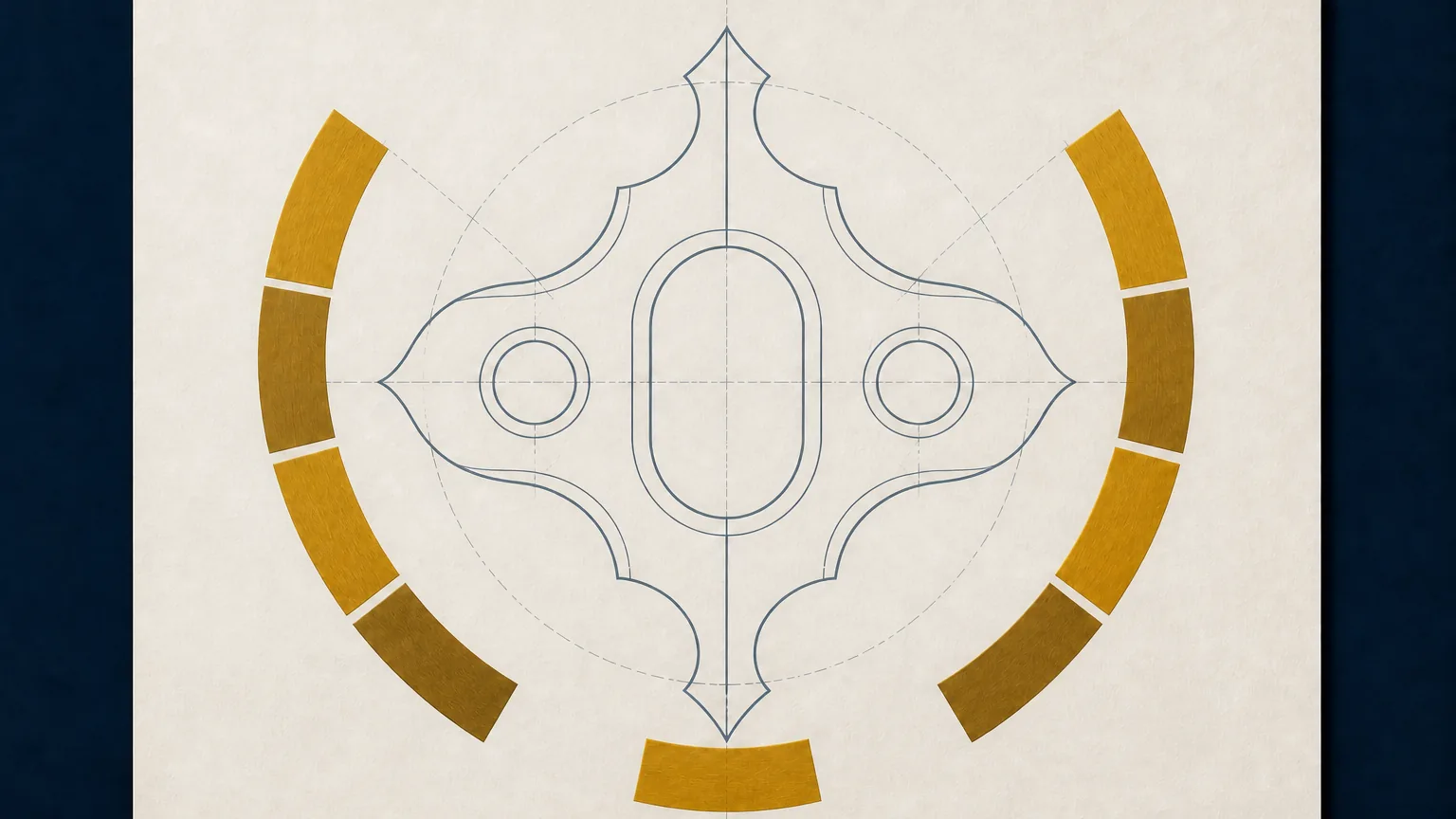
What a design patent actually covers
A U.S. design patent covers the ornamental appearance of an article of manufacture. Not what the article does, not how it is assembled, not what it is called. Where a shape is dictated purely by how the thing has to work, it is not what a design patent is for, and function is the subject matter of a utility patent. Where what you want to hold is a name or a logo telling buyers whose product this is, you are in trademark territory.
A design patent has a single claim, and its drawings carry most of the scope. Solid lines ordinarily show claimed features. Broken lines most often show unclaimed environment or a boundary, but they can also depict a claimed feature such as stitching or a fold line. Read the figures together with the description rather than treating line style as a rule without exceptions.
The consequence is that two products can look alike in ways that turn out not to matter, and differ in the one contour that does. Whether a particular product reads on a granted design is fact-specific and gets judged on overall visual impression rather than a checklist of features. That is a question for an attorney with both articles in hand, not one to settle from a thumbnail.
Examined and granted, not registered on use
Trademark and design-patent rights arise through different systems. A U.S. design-patent right begins when the patent grants after USPTO examination. That does not erase any trademark, copyright, contract, or other rights that may exist around the same product; it only identifies when this particular patent right starts.
A conventional domestic design application filed under chapter 16 is generally not published before grant. The Hague route is different: an international design registration can be published before the USPTO issues a U.S. design patent. Pre-issuance visibility and the limited procedures that may apply therefore depend on the filing path, and should not be reduced to a universal rule that every design stays secret until grant.
U.S. design patents appear in the USPTO's weekly patent issue when they grant. Their term is measured from the grant date and depends on the application's filing date, and no maintenance fees are required. For monitoring, the practical point is to watch grants consistently while recognizing that a Hague publication may have made the design public earlier.
Three rights that keep getting mistaken for each other
Design patents get mistaken for the other two rights because three separate systems sit over the same product, each protecting a different aspect.
One bottle can carry all three at once: the silhouette as a design patent, the closure mechanism as a utility patent, the name on the label as a trademark. Each has its own register, its own publication behavior, and its own way of being challenged, so a process tuned to watch one will not see the others go by.
- A trademark protects a source identifier: the word, logo or trade dress that tells a buyer whose product this is. It can last as long as it stays in use.
- A utility patent protects how something works: function, structure, method. It is examined, and its applications generally publish before grant.
- A design patent protects how an article looks: ornamental appearance, one claim, carried mainly by the drawings. A conventional domestic application generally stays unpublished before grant; an international Hague filing can publish earlier.
The nine-month PGR filing limit
Post-grant review is a USPTO proceeding before the Patent Trial and Appeal Board that can challenge the claim of an eligible patent, design patents included. A petition generally must be filed no later than nine months after grant. Eligibility depends on the patent's filing history, which is a thing to check rather than assume.
What makes the window distinct is the set of grounds potentially available. Post-grant review is not confined to prior patents and printed publications, so it can permit grounds that are unavailable in the narrower inter partes review route. Which grounds fit a particular design patent and whether PGR is available at all require counsel to examine the patent and its history.
Set that next to the trademark opposition clock and the difference in character is sharper than the difference in length. The initial opposition period runs 30 days from publication, and extension requests may be available. For a PGR-eligible patent, nine months is the statutory filing limit rather than an opening position; counsel should confirm both eligibility and the applicable deadline.
The window is only worth as much as your notice period
When counsel confirms PGR eligibility, the filing period can narrow quickly once you count backwards through what has to happen. Find the grant. Read the sheets and description. Get a considered opinion on whether it touches what you sell. Decide whether a formal PTAB petition fits the facts and business objective. Finding a grant late leaves less time for that assessment.
Do not assume individualized notice will reach every competitor when a design patent grants. The weekly issue is public, but it is broad enough that a relevant grant can be easy to miss without a repeatable review process.
That is the part worth automating, and it is a narrow job: read each weekly issue, compare new grants against the reference designs you put on watch, and surface a patent number, a grant date, a link to the drawing and a reason when something looks close. The judgment stays with you and your attorney. What changes is how much time remains for counsel to assess eligibility and any applicable deadline.
Treat a design patent as its own right on its own calendar: appearance rather than function, with scope carried mainly by the drawings and description. A conventional domestic application generally first becomes public at grant, while a Hague filing may publish earlier. If counsel confirms PGR eligibility, a petition generally must be filed no later than nine months after grant; counsel decides whether that path exists and what to do next.
MarkSentry provides monitoring and triage, not legal advice. This article explains public procedure in general terms; it is not advice about your situation. Consult a qualified attorney before acting.